
Shower Testing
Do you have evidence of water stains on your bathroom walls? Water stains on your bathroom ceiling? Rusting door frame? Perhaps you notice a damp or must smell in your bathroom or laundry, have noticed mould growing, or water pooling around the shower?
Clients have contacted us noticing cracked or loose tiles, deteriorated grout and silicone seals, peeling paint, swollen doorframes and skirting boards, and also soft/spongy flooring outside the shower. Bubbling paint in the shower is another indication of a water or leak issue. An unexplained increase in water usage and water bills can also signal a hidden leak, or burst pipe.
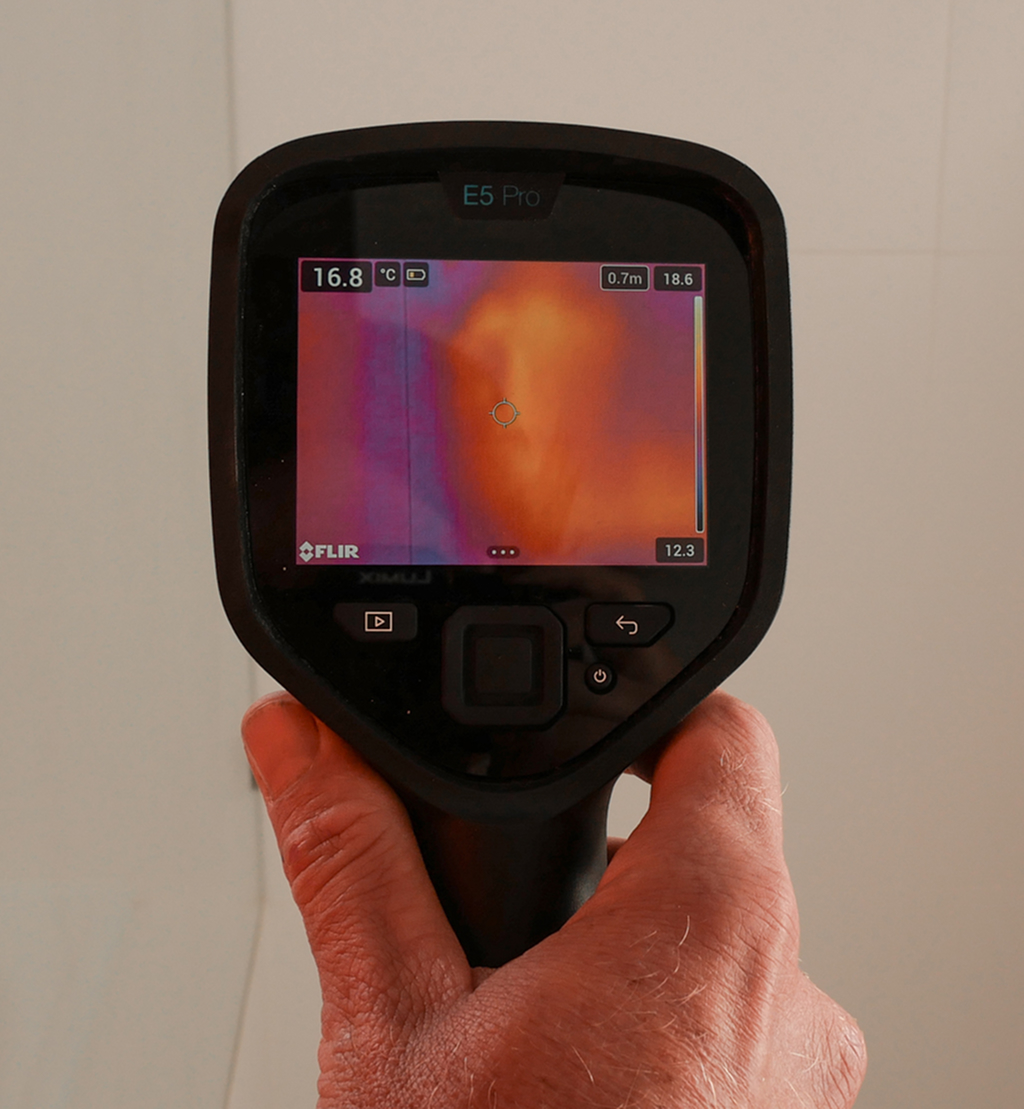
We use our specialised equipment and testing formats to get to the bottom of it. Once we are confident we figured it out, we are also qualified in fixing and repairing the issue. With our modern and professional work system, we provide you with a report including a description and photographic evidence of the process and why we did what we did. This comes in handy with any insurance claim, or application to the water corporation for a financial rebate or your execessive water bill.
Our team has undertaken specialist training to provide you with the expertise required to help solve these tricky problems. They also have the most up-to-date equipment to provide you with the right information in the lease invasive way.
Visual evidence
- Water stains and discolouration: Look for brownish or yellowish marks on walls, ceilings, or floors near the shower.
- Mould or mildew: Any unusual mould or mildew growth, especially in surrounding areas, indicates persistent moisture.
- Peeling or blistering paint: Water seeping into walls behind tiles can cause paint to bubble or peel.
- Cracked, loose, or missing tiles/grout: These gaps can allow water to seep through the tile work.
- Damaged silicone: Check the silicone seals around the shower door, screen, and edges; crumbling or missing silicone is a red flag.
- Pooling water: Water collecting on the floor after a shower suggests a gap in the shower tray or surrounding seals.
- Swollen or damaged timber: Swollen, damp, or deteriorating door frames or floorboards in or near the bathroom can signal a leak.
- Soft or spongy flooring: Dampness can damage the subfloor, making the flooring around the shower feel soft.
Other indicators
- Musty smells: A persistent damp or musty odour is a common sign of hidden moisture.
- Increased water bills: An unexplained spike in your water bill, even when the shower isn't in use, could mean a hidden leak.
- Damp patches in other rooms: Water stains or dampness on the ceiling of a floor below the bathroom can indicate a serious leak.
Get in touch
Prefer to call or fill out a form? The choice is yours.
We’ll respond promptly and help resolve the issue without delay.
Request a quote
Please complete the form below: